Rice terraces in Yunnan at sunrise

Youth · Agriculture · Health · Community

Youth rooted in Yunnan,sustaining every field.

A youth-led, peer-to-peer network building community-based solutions for rural health, economic resilience, and environmental sustainability across Yunnan, China.

Participating towns
22
Villages
85
Youth volunteers
250+

Who We Are

Development that protects
both people and land.

The Yunnan Youth Sustainability Network (YYSN) brings together college students, high school students, local residents, researchers, and professionals to tackle the connected economic, environmental, and healthcare challenges facing rural Yunnan.

Founded in 2019 by McCree Tang, a member of the Lisu ethnic minority, YYSN treats sustainability as a combination of economic development, environmental protection, public health, and community participation.

Founded2019
“Rather than arguing that rural communities should simply stop economic development in order to protect the environment, our goal is to identify alternative forms of development that can simultaneously create jobs, strengthen local communities, and preserve Yunnan's natural resources.”
McCree TangFounder · Lisu, Yunnan

Three connected challenges

Limited healthcare access

Specialized hospitals and experienced physicians can be several hours away from villages, turning emergencies into life-threatening situations.

Environmental degradation

Mining, factories, and resource extraction brought short-term income, but also pollution to landscapes that shaped generations.

Fragile livelihoods

Agriculture remains the main income source for families, while job opportunities outside farming are limited.

Panel 01 · Sustainable Agriculture

Tsaoko, honey,
and a new rural economy.

Can local agricultural products create meaningful jobs without relying on mining or heavy industry? Our community-informed proposal set out to prove they can.

The problem we identified

Growth without regard for nature, health, or culture.

In Nujiang, Yunnan, our founder's hometown, we spent two years doing in-depth research with field, agricultural, population, and economic experts. At the time, poverty alleviation was a major national policy. Our research found that many local problems came from a strong push for rapid economic growth that paid little attention to the environment, residents' health, or ethnic cultures.

  1. 01Polluted land and waterMining waste ran into streams, chemical plants went up outside villages, and coal haze blocked out the sunlight.
  2. 02Income up, health downPer capita income rose 75–100%, but so did infant mortality and lung and skin cancers, while life expectancy and biodiversity fell.
  3. 03Ancestral land lostLand that ethnic communities had foraged and lived on for generations was leased to industrial corporations for resource extraction.
  4. 04Fading culturesChanges that took other societies thousands of years were pushed through in about five, leaving many young people disconnected from their language, knowledge, and traditions.

We documented these findings in a report essay that we submitted to the local government, with a proposed alternative: development that creates income while protecting the land and the cultures that depend on it.

Pollution data: Cheng et al., Environmental Monitoring and Assessment, 2018.
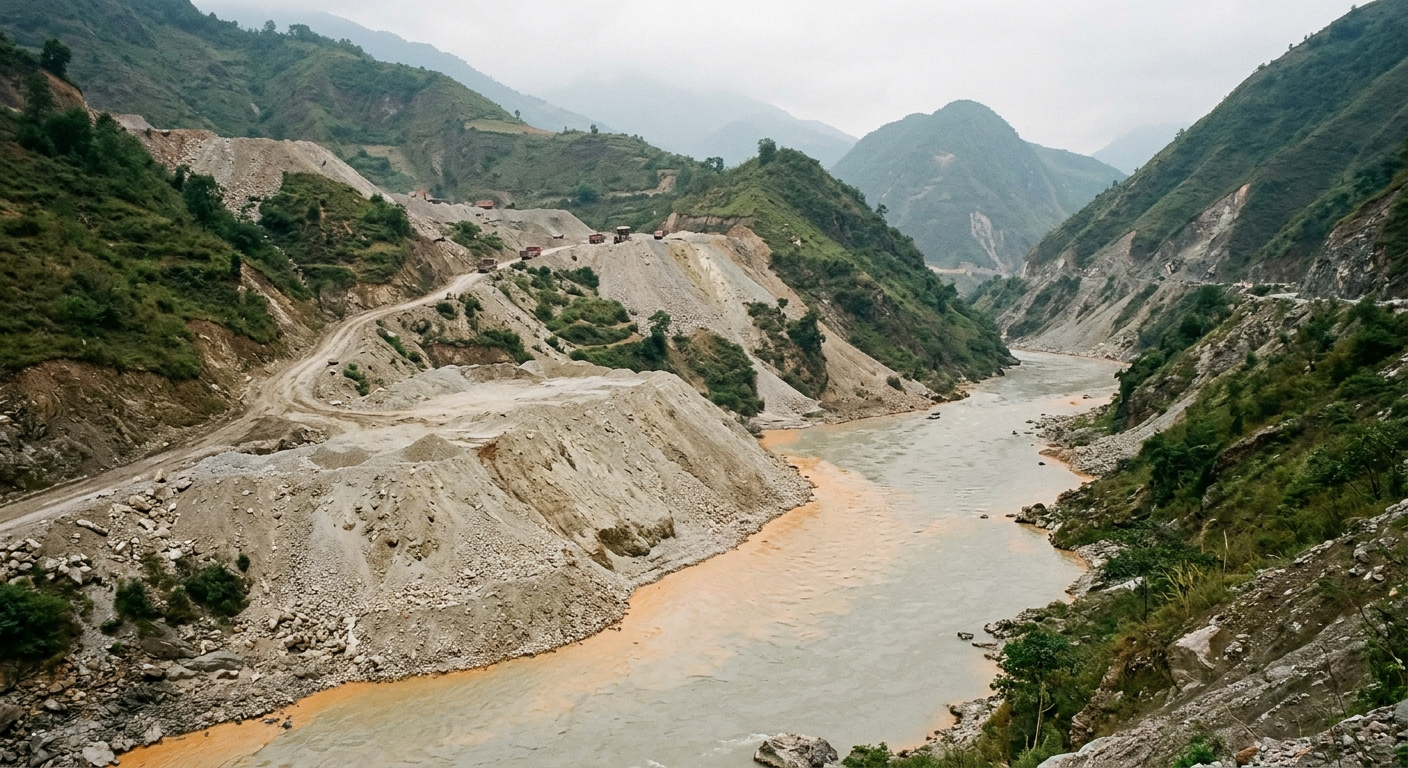
A mountain stream clouded by mining waste beneath a scarred hillside
Mining waste running into mountain streams

Illustrative images of the conditions we documented.
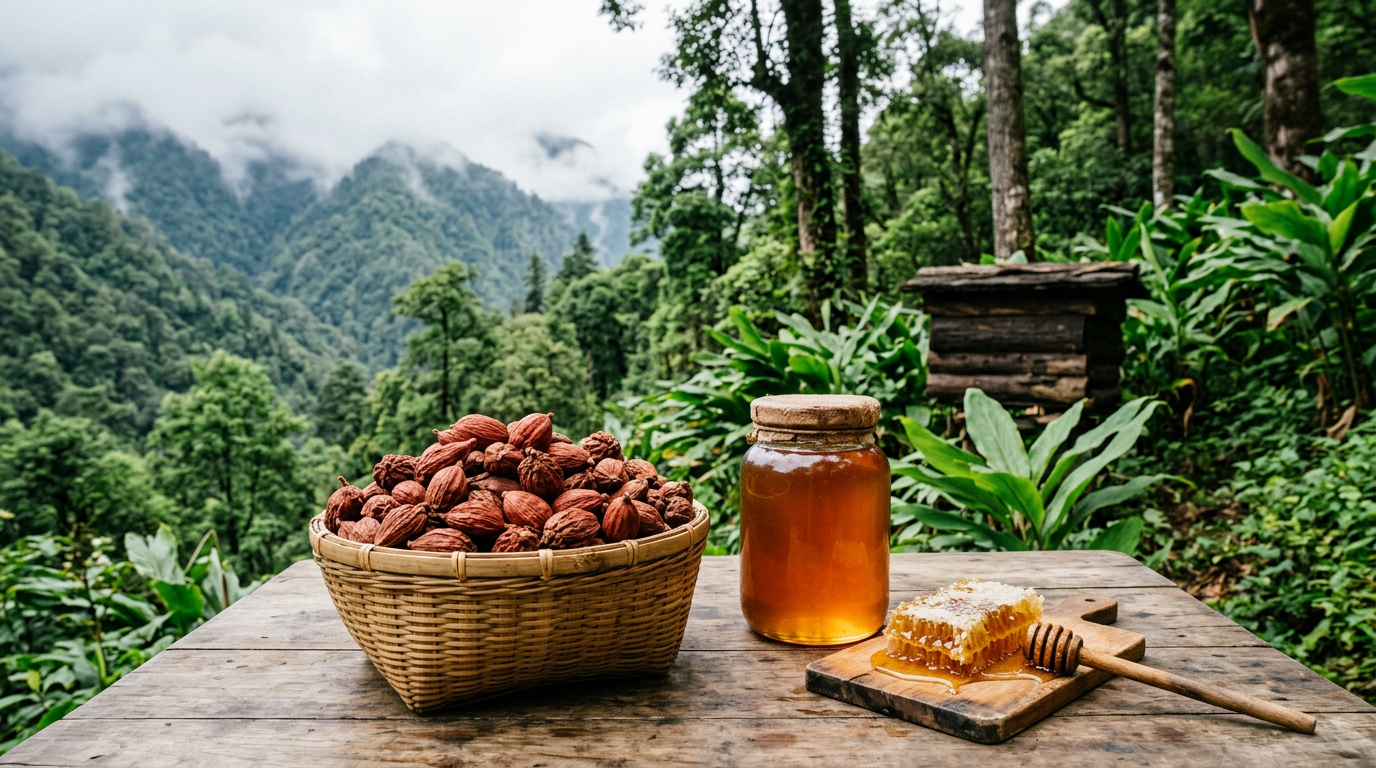
Red tsaoko pods growing in a Yunnan forest beside a traditional beehive and honeycomb
Locally adapted crops, grown with the forest rather than against it.

Our research focused on tsaoko, a spice widely used across China and especially suited to Yunnan's climate, together with locally produced honey. The resulting report proposed both as low-impact alternatives to environmentally damaging industries.

The proposal was approved for a three-year, government-supported pilot that ran from January 2023 to January 2026 and tested whether the model could generate sustainable employment with a relatively low environmental impact.

Tsaoko

A prized spice suited to Yunnan's shaded mountain forests, and the spice families add to their soups.

Local honey

Low-impact beekeeping on flowering hillsides, producing a beloved sweet treat for festivals and children.

Food that carries culture

Tsaoko and honey are cultural foods in many ethnic minority villages. Growing them preserves ethnic traditions while raising local incomes.

Pilot trial results · Completed January 2026

The figures below come from our pilot trial, which finished in January 2026. Because the results were so successful, we are now expanding the project to 22 participating towns and 85 villages in collaboration with their local governments.

Local jobs created
~100
Avg. household income growth
32%
Residents in pilot community
~2,000
Working-age residents
800–1,000

Who built the proposal

The proposal was a collective effort. One person set the overall direction, and a network of peers, experts, and residents worked out the details together.

McCree Tang · FounderLed the overall direction of the proposal and served as the main point of collaboration with local government. He brought peers, experts, and community members together around one shared goal.

Peers who shaped the details, planning, and execution
  • College students & agricultural-economics expertsAgricultural production and economic feasibility
  • High school studentsLocal social norms, community attitudes, and residents' willingness to take part
  • Local community membersDeep knowledge of the land, climate, and daily rural life

The journey so far

  1. June 2019McCree Tang founds YYSN in Nujiang, Yunnan.
  2. 2019 – 2021Two years investigating local environmental pollution and the effects of poverty alleviation, working with field, agricultural, population, and economic experts.
  3. 2020YYSN holds its first group meeting in a member's home and starts recruiting high school students and their families.
  4. 2021 – 2022We draft a report essay for the local government and start broad social activism, rapidly expanding our sustainability network.
  5. January 2023The three-year, government-supported tsaoko and honey pilot begins.
  6. January 2026The pilot is completed, and its results on jobs, household income, environment, and community satisfaction are reported to the Yunnan Provincial Government.
  7. 2026 – NowWe expand to 22 participating towns and 85 villages in collaboration with their local governments.

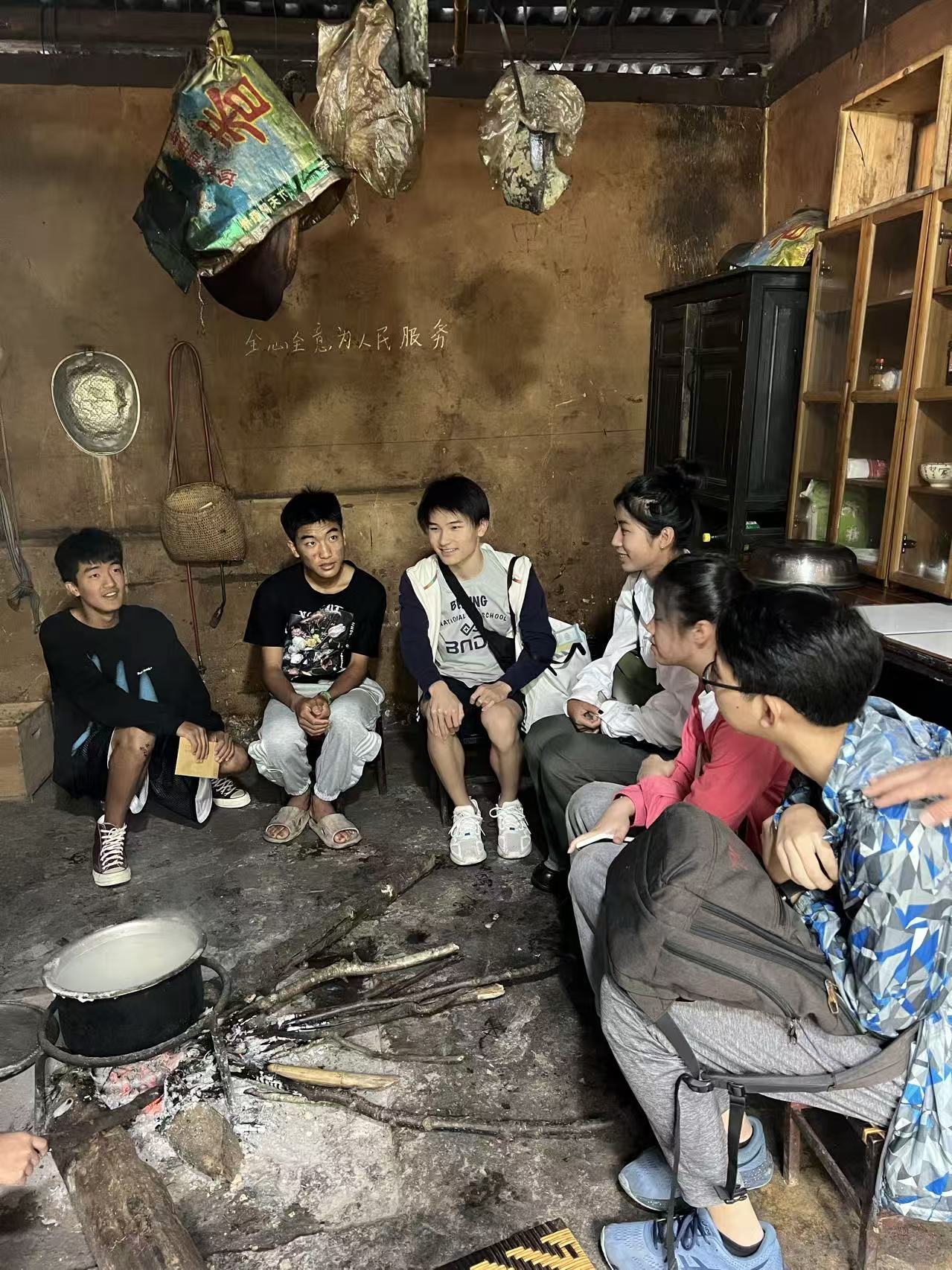
Where it started

Seven young YYSN members sitting around a wood fire in a village home
2020YYSN's first group meeting, held around the fire in one of our members' homes.
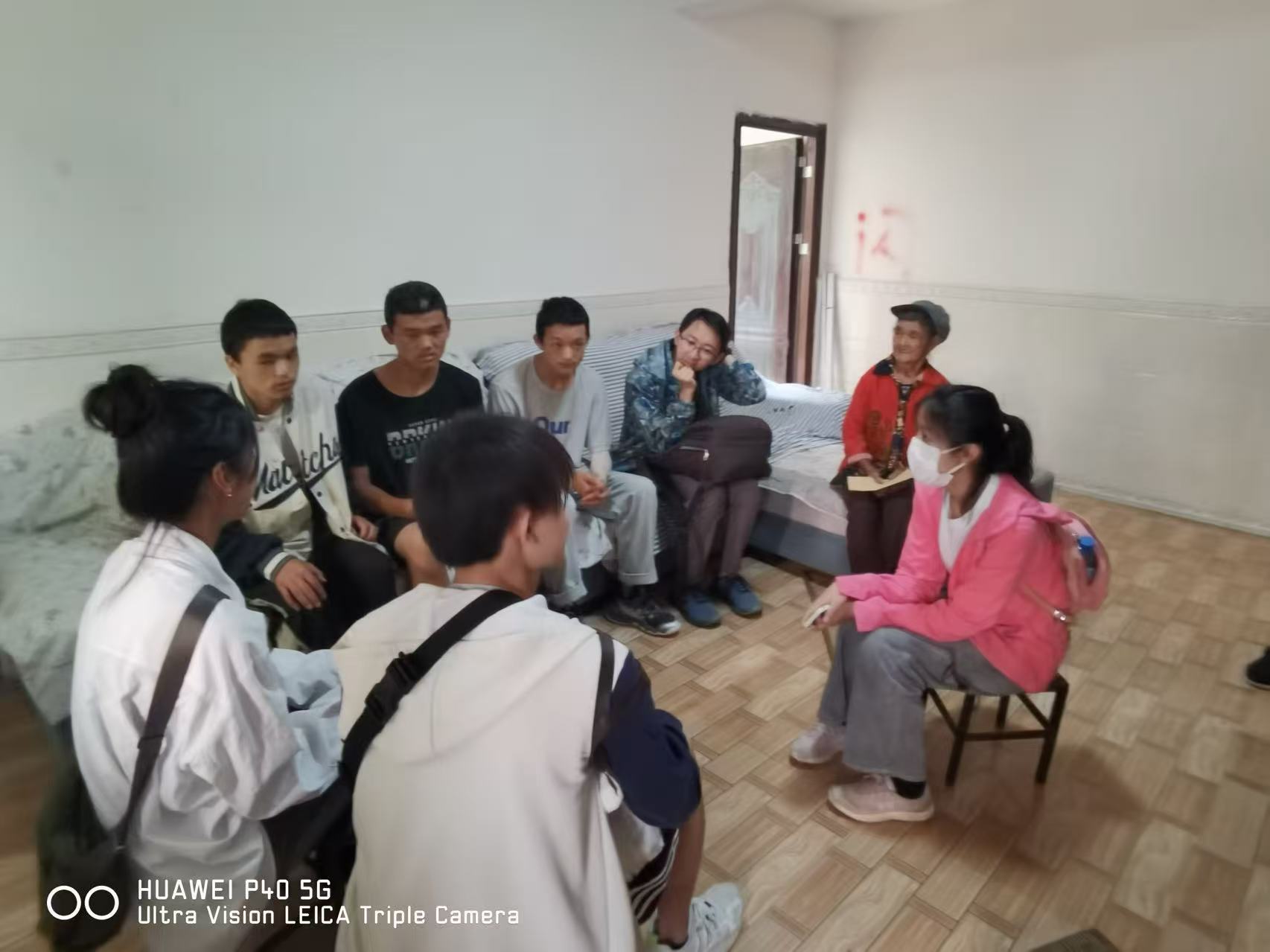
YYSN members talking with a high school student and her family in their home
2020Recruiting new members: meeting a high school student and her family at home.

Panel 02 · HealthBridge App

HealthBridge:
helping patients be understood.

A self-developed, global digital platform that helps patients document symptoms, overcome language and dialect barriers, and communicate more effectively with healthcare professionals.

A communication bridge, not a diagnostic system. HealthBridge never replaces professional medical judgment.

HealthBridge
Patient · LisuDoctor · English
Body map

Upper abdomen

Visit summary

Sensation
Burning
Intensity
6 / 10
Onset
3 days ago
Pattern
Worse after meals
Context
Spicy food, late dinner

Ready to share with your doctor

Why it matters

  • About ten ethnic groups live in a single hometown region, each with its own languages and dialects.
  • A doctor may speak Mandarin and one dialect, while the patient speaks another.
  • "Pain" can mean sharp, pressure, burning, soreness, numbness, or something else entirely.
  • Onset, meals, activity, and changes over days are easily forgotten in a short appointment.
People served
9,000+
Ethnic groups
11

Communities served include

  • Nu
  • Lisu
  • Tibetan
  • Han
  • and more

What the first prototype does

Interactive body map

Tap where it hurts. No need to know anatomical terms.

Standardized symptom recording

Guided questions capture type, intensity, timing, and duration.

Symptom timeline

Track symptoms over days or weeks instead of relying on memory.

Lifestyle context

Log food, physical activity, work, sleep, and medications taken.

Visit summary

A concise, standardized summary patients can show their doctor.

Multilingual by design

Enter information in a familiar language and share it in clinical terms.

Proposed software workflowFree · Nonprofit

Patient input

Anatomical artwork
  • Original body map
  • Region + side + location
Symptom entry
  • Quality · intensity (0–10) · onset
  • Duration · triggers · daily impact
Language options
  • Localized symptom descriptors
  • Keeps the patient's original wording

Core

Symptom timeline
  • Timestamp each entry
  • Store repeated observations
  • Display change over time

Output

Visit summary
  • Body map + symptom timeline
  • Patient chooses what to share
Clinical conversation
  • Clarify the history together
  • Symptoms remain self-reported

Built to go global

From Yunnan's mountains to communities worldwide.

Language barriers in healthcare exist far beyond Yunnan. In California, for example, many elders served by Meals on Wheels speak Spanish, Cantonese, or Mandarin and are not fluent in English, and often neither are their family members. HealthBridge is designed to be localized into any language, so patients can describe symptoms in words they know while doctors receive a clear, standardized reference.

Designed for languages like

  • English
  • Español
  • 廣東話
  • 普通话
  • Lisu
  • Nu
  • Tibetan
  • Localized interfaces for elders and their family caregivers
  • Standardized summaries as a reference for doctors
  • Built with close collaboration and sponsorship from local governments
  • Coming to the App Store and other downloadable platforms

How We Work

Listen.Build.Grow.

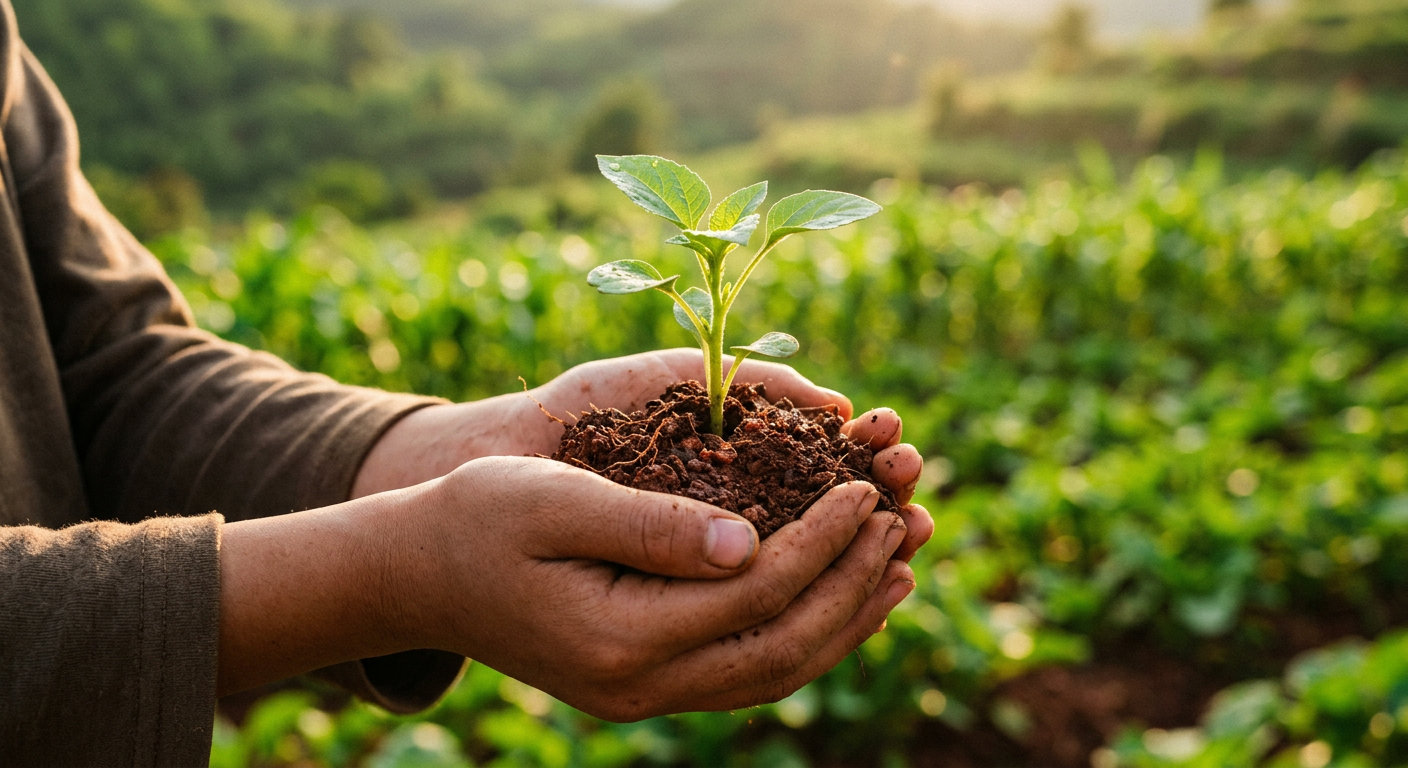
Hands holding a seedling rooted in red Yunnan soil

“Developed with the people who live there.”

Our Impact

Every number
is a family.

Measured together with local partners and government collaborators across our participating communities.

0
Participating towns
Across rural Yunnan
0
Villages
Within our partner towns
0+
Youth volunteers
College and high school students
0
Program managers
Coordinating volunteers and partners
0%
Avg. economic growth
Measured by household income
~0
Local jobs created
Through the tsaoko & honey pilot
0+
People served
By the HealthBridge app
0
Ethnic groups
Including Nu, Lisu, Tibetan, Han

2026–2027 Development Plan

Six priorities
for the next two years.

Growing both our sustainable agriculture initiative and HealthBridge, with usability, community input, and professional review at every step.
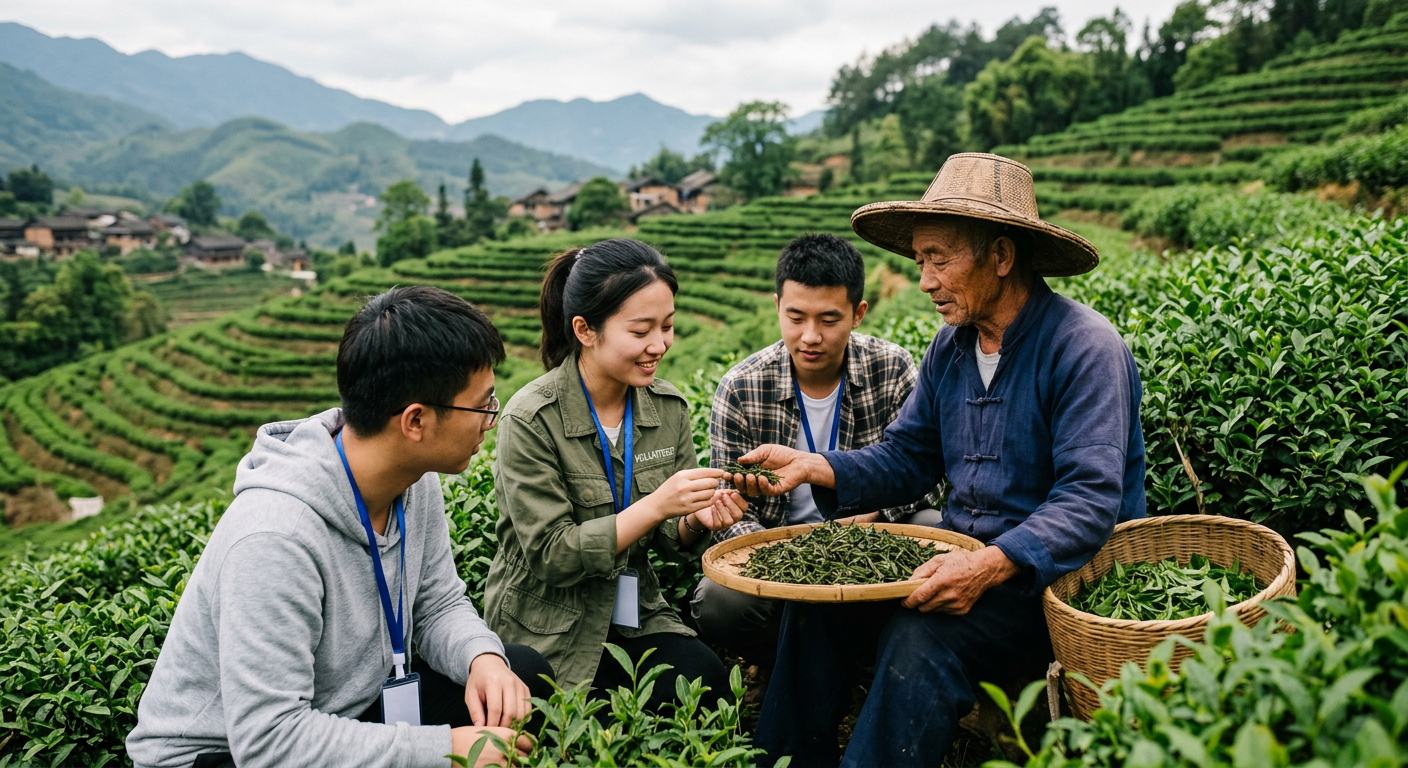
Youth volunteer and tea farmer examining leaves in a Yunnan field
2027Community pilot of HealthBridge

Our Long-Term Vision

“Sustainability is not limited to protecting forests or reducing pollution. A sustainable community also requires stable livelihoods, accessible healthcare, effective communication, and meaningful participation by local residents.”
McCree TangFounder, Yunnan Youth Sustainability Network

Get Involved

Find your place in the network.

Youth Volunteers

College and high school students

  • Field research in rural communities
  • Agriculture and health user research
  • Volunteer certificates and references
Apply to Volunteer

Governments & Sponsors

Local governments, foundations, and institutions

  • Co-sponsor agriculture pilot programs
  • Bring HealthBridge to your community
  • Shared, transparent impact reports
Partner With Us

Healthcare Professionals

Physicians, nurses, and public-health workers

  • Review the questions HealthBridge asks
  • Shape the patient visit summary
  • Join usability testing and pilots
Advise HealthBridge

Plant the seeds
of change with us.

Whether you are a student, farmer, doctor, government partner, or sponsor, there is a way for you to help rural communities thrive.
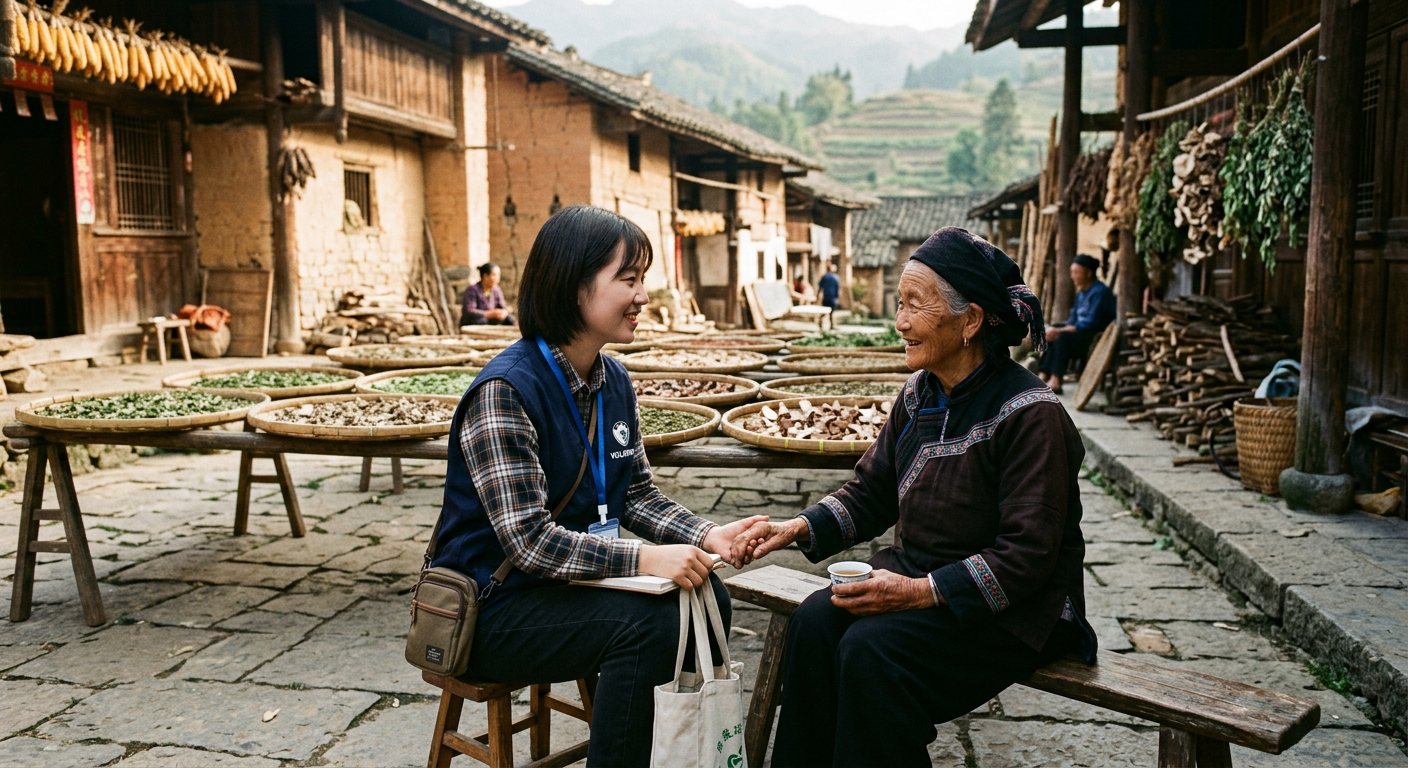
A youth volunteer talking with an elder in a Yunnan village courtyard